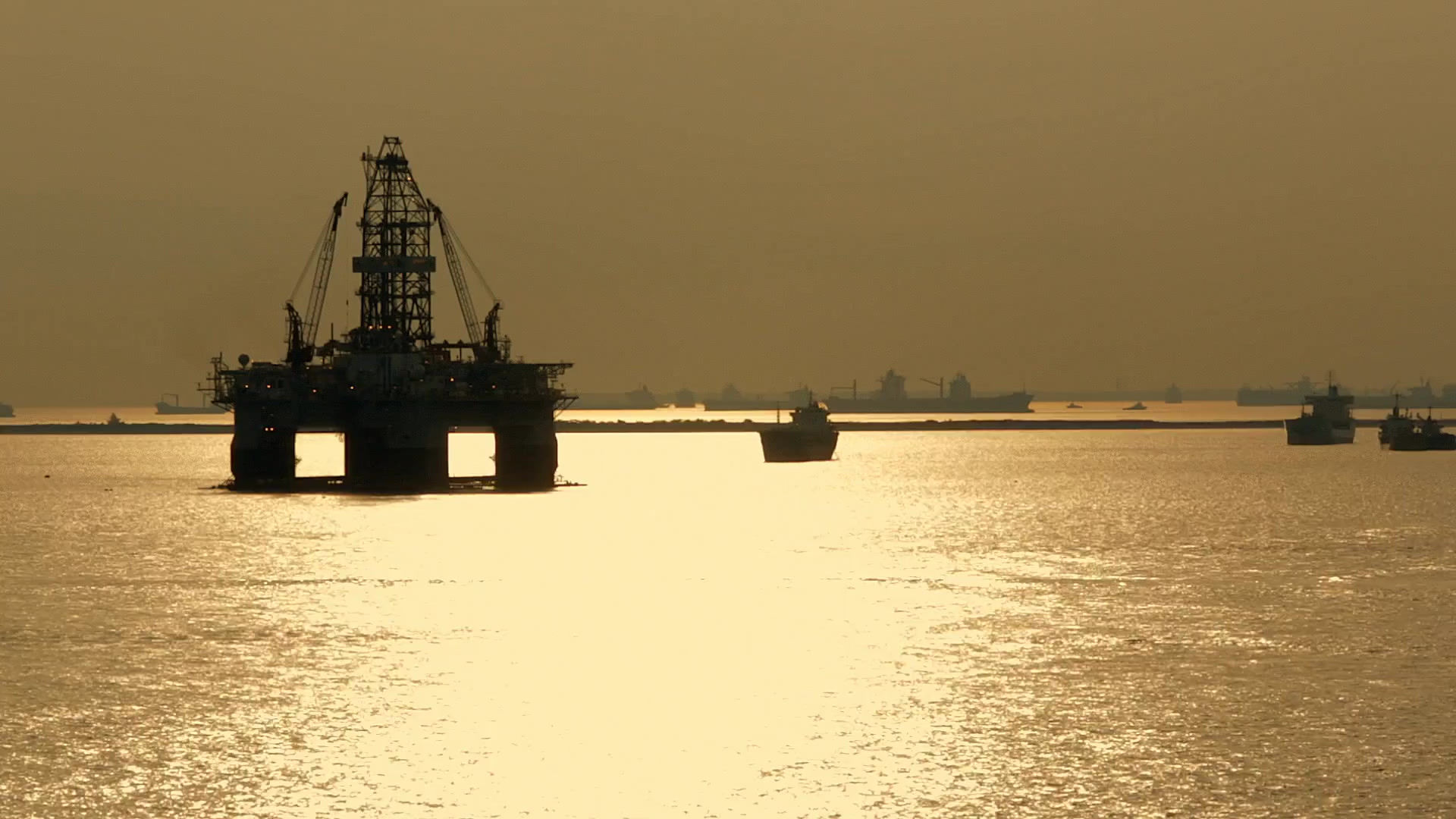

The Hidden Risks of an Ordinary Voyage

Five stages. One commercial vessel. And a world of security considerations most people never see.

A commercial cargo vessel is preparing to depart for West Africa
Its cargo has been loaded, its documentation prepared and its arrival at the destination port scheduled. The crew have their responsibilities, the Master has a passage plan and the vessel's operators are expecting another routine commercial journey.
From the outside, there is nothing particularly remarkable about it.
But behind the scenes, an entirely different operation is taking place.
Information is being assessed. Potential threats are being considered. Security arrangements are being reviewed. And a series of decisions are being made that could determine whether the voyage proceeds without incident or encounters potentially serious complications.
Welcome to the often-unseen world of maritime security.
To understand what happens behind an apparently ordinary voyage, let's follow a fictional commercial vessel through five critical stages of its journey into West African waters.
This scenario is illustrative rather than an account of an actual vessel or incident. The security measures described reflect established maritime risk management practices and the capabilities offered by Agwe Global.
Stage One: Before the Vessel Even Sails
The first security decision is made long before the vessel leaves port.
Our vessel is scheduled to transit through West African waters before arriving at its destination.
The voyage plan is in place, but the Master and vessel operator need to understand the security environment along the proposed route.
What incidents have been reported recently? Are there particular areas requiring additional precautions? Could changing local conditions affect the planned passage? Are there any security concerns associated with the destination port?
These questions form part of a comprehensive pre-voyage risk assessment.
Information about maritime activity, regional security developments and potential threats can help operators identify areas of concern and consider appropriate mitigation measures.
A route that appears perfectly reasonable from a navigational perspective may still require additional security considerations.
This is where maritime intelligence and regional expertise become particularly valuable.
At Agwe Global, our Pre-Voyage, Port and Voyage Risk Assessment services help clients evaluate potential threats, consider passage options and make informed operational decisions.
The objective is not to suggest that every voyage is inherently dangerous. It is to ensure that security decisions are based on informed assessment rather than assumptions.
Because the safest response to a developing threat is often the decision made before a vessel encounters it.
Stage Two: Preparing the Vessel
A well-prepared vessel is more than a vessel with locked doors.
With the voyage approaching, attention turns to the ship itself.
The crew must understand their security responsibilities. Access points need to be assessed. Existing protective arrangements must be reviewed, and any identified vulnerabilities considered before entering the operating area.
Could unauthorised individuals gain access while the vessel is alongside? Are onboard security procedures appropriate for the intended voyage? Does the crew understand what to do if suspicious activity is observed?
Effective preparation requires more than a standard checklist.
Vessel Vulnerability Security Risk Assessments help identify weaknesses in onboard arrangements and determine whether additional protective measures may be appropriate.
These assessments can inform improvements to physical defences, access control, security procedures and the procurement of relevant equipment.
Agwe Global supports vessel operators with vulnerability assessments and practical guidance aligned with Best Management Practices for West Africa (BMP WAf).
Where appropriate, additional security arrangements may also be considered, including security escort vessel services and authorised Host Nation Armed Security Forces, subject to applicable local requirements.
The aim is straightforward: identify potential weaknesses before they become operational problems.
After all, a vessel's security arrangements are most valuable when they are prepared, understood and ready before they are needed.
Stage Three: The Voyage Is Underway
The vessel has departed. But the security operation hasn't stopped.
Our cargo vessel is now making its way towards West Africa.
To those onboard, the passage may appear uneventful. The vessel maintains its course, the crew carry out their normal duties and the planned arrival remains on schedule.
Yet the maritime security environment does not stand still simply because a voyage is progressing normally.
Conditions can change. New incidents may be reported. Regional developments can alter the security picture, and information that was accurate before departure may require reassessment.
This is why continuous monitoring and access to timely maritime intelligence are so important.
Through its 24/7 vessel monitoring and tracking capabilities, Agwe Global supports clients with ongoing vessel oversight, maritime domain information reporting, security alerts and regular intelligence updates.
The purpose of this monitoring is to help operators maintain awareness of developing circumstances and respond appropriately when relevant information emerges.
For example, if a security incident is reported in a nearby operating area, that information may prompt a review of existing precautions or additional communication with the vessel.
It does not automatically mean that the ship is in immediate danger.
But it does mean that those responsible for its safety can make decisions with a clearer understanding of the surrounding environment.
In maritime security, information is only valuable when it reaches the right people in time to inform their actions.
Stage Four: When Something Doesn't Go to Plan
Even the best-prepared voyage must account for the unexpected.
Imagine that our vessel receives information about suspicious maritime activity in the wider operating area.
There is no confirmed threat to the vessel itself, but the report requires attention.
The Master reviews the information, maintains appropriate precautions and communicates with the relevant operational contacts.
Depending on the circumstances, the vessel operator may seek further intelligence, reassess the passage or review available protective arrangements.
This is where advance preparation becomes especially important.
A crew that understands its responsibilities and has rehearsed relevant procedures is better placed to respond calmly and appropriately than one encountering an unfamiliar situation for the first time.
Agwe Global provides Crisis Response Training and Planning, including team management, scenario-based exercises and practical rehearsals involving piracy incidents and medical emergencies.
These services help organisations examine their response arrangements, improve coordination and identify areas where additional preparation may be needed.
In more serious circumstances, effective response may also require specialist advice, logistical coordination and liaison with relevant agencies or authorities.
Our capabilities include support for crisis management and kidnap and ransom response planning, where appropriate.
Of course, not every unusual report becomes a serious incident.
In our fictional voyage, the situation is monitored, the necessary precautions are maintained and the vessel continues its passage.
But the important point is that the response was not improvised.
The groundwork had already been done.
Stage Five: Safe Arrival Doesn't Mean the Risks Have Disappeared
The vessel reaches its destination. Surely the difficult part is over?
Not necessarily.
Although the vessel has completed its passage, security considerations continue during port operations and preparations for its next departure.
Ports are busy environments. Personnel, contractors, supplies and equipment may move between shore facilities and vessels, creating additional access control and security responsibilities.
Among the issues operators must consider are unauthorised boarding, stowaways and prohibited substances.
These risks can create serious legal, financial and operational complications if they are not identified and addressed appropriately.
Agwe Global provides specialist Stowaway and Narcotics Search services, including four-person search teams with specialist canine support.
Search operations can be arranged in port, at sea and in relevant onshore or offshore environments, according to operational requirements.
Such services can form part of a wider security programme designed to reduce exposure to unauthorised access and prohibited items.
As the vessel prepares for its next journey, the process begins again.
Information is reviewed. Risks are reassessed. Security arrangements are considered in light of the next destination.
Because maritime security is not something that begins and ends with a single voyage.
It is a continuous process.
The Most Successful Security Operation May Be the One Nobody Notices
Our fictional vessel has arrived safely.
Its cargo is ready for the next stage of its journey. The crew have completed their responsibilities, and the operator can turn its attention to the next commercial commitment.
There has been no major incident. No dramatic emergency. No headline-grabbing security event.
To an outside observer, it was simply another ordinary voyage.
But look a little closer.
Before departure, potential threats were assessed.
The vessel's security arrangements were reviewed.
During the passage, maritime developments were monitored.
The crew had procedures to follow if circumstances changed.
And on arrival, additional precautions could help protect the vessel against security risks associated with port operations.
None of these measures guarantees that an incident will never occur. Maritime operations involve uncertainties that cannot always be eliminated.
However, careful planning, appropriate protective arrangements, informed decision-making and effective preparation can help reduce exposure and improve an organisation's ability to respond.
That is the real value of an integrated approach to maritime security.
Agwe Global: Supporting Every Stage of the Journey
At Agwe Global, we understand that effective maritime security is about more than responding to incidents.
It involves recognising potential threats, preparing vessels and personnel, maintaining situational awareness and ensuring that operators have access to appropriate expertise when it matters.
Our services bring together:
Pre-Voyage, Port and Voyage Risk Assessments
Vessel Vulnerability Security Risk Assessments
Security Escort Vessel Services
24/7 Vessel Monitoring and Maritime Intelligence
Specialist Stowaway and Narcotics Searches
Maritime Security Training and Compliance Auditing
Crisis Response Training and Planning
Together, these capabilities help vessel owners, operators and maritime organisations take a more informed and coordinated approach to managing operational risk across West Africa and beyond.
Because behind every successful voyage is a series of decisions that most people will never see.
And sometimes, the greatest achievement in maritime security is ensuring that an ordinary voyage remains exactly that.
To learn more about Agwe Global's maritime security and risk management services, visit www.agweglobal.com or contact info@agweglobal.com.

Comments